
TL;DR
If by “Carl” you mean a universal remote or control solution for a home theater, the best alternative is the one that reliably handles your exact TV, streamer, soundbar or AVR, and any hidden gear without making daily use harder. For most buyers starting from scratch, SofaBaton U2 is the closest like-for-like option here, but many households should first test HDMI-CEC, their streaming remote, or a TV app before buying dedicated control hardware.
What Carl Alternatives Actually Are
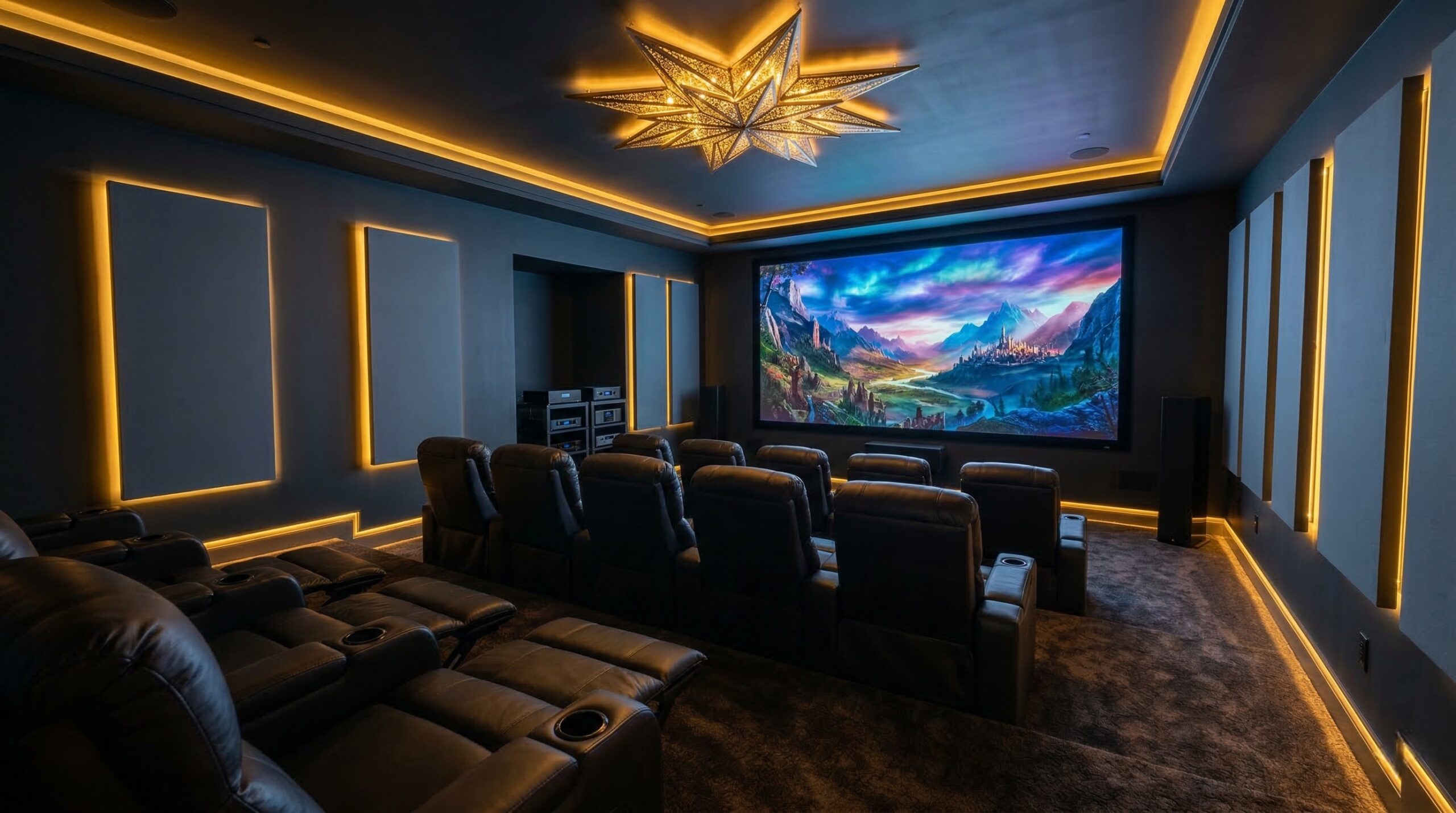
“Carl alternatives” is an unusually broad search, so the first step is defining the job you need done. In a home theater context, the most sensible reading is that you want an alternative to a control product that manages multiple devices from one interface. That means the real category here is not projectors, speakers, or screens. It is universal remotes and room-control solutions.
A good alternative should cover the core actions you use every day: turning the system on and off, controlling volume, switching inputs, and handling playback without bouncing between three or four remotes. For a simple setup, that might mean one remote for a TV, streaming stick, and soundbar. For a more serious theater, it can also mean controlling an AVR, projector, media player, lighting, or devices hidden in a cabinet.
The biggest mistake buyers make is assuming any product labeled “universal” will work equally well with every room. It usually will not. Compatibility matters more than button count or styling. A setup with a Roku and a soundbar may be easy to replace with a simple handset. A room with an AVR, projector, game console, and hidden rack is much harder, and it often needs better activity programming, stronger IR support, RF or hub-based control, or IP control for newer gear.
There is also a good chance you may not need a dedicated replacement at all. Consumer Reports and similar buyer guides often point people to the basics first: see whether your streamer remote already handles TV power and volume, whether your TV and audio gear cooperate over HDMI-CEC, or whether an app covers the occasional commands you actually use. The FCC antennas and digital TV guidance is not a buying guide for remotes, but it is a useful reminder that home entertainment gear often depends on a chain of devices and standards working together. In practice, control reliability comes from that same ecosystem fit.
For home theater buyers, then, a Carl alternative is best thought of as any solution that replaces the same control role with less friction, not just a different brand name. If it cannot reliably run your room, it is not really an alternative.
Who Carl Alternatives Fit Best
A dedicated Carl replacement makes the most sense for buyers who still have multiple remotes on the couch after trying the built-in options. If your TV remote powers the display but cannot switch the AVR correctly, or your streamer remote adjusts volume but leaves input changes messy, a universal control product is still worth considering.
These alternatives also fit households that want simpler day-to-day use for everyone in the room. The right setup is not just about enthusiast flexibility. It is about making “Watch TV” or “Movie Night” easy for kids, guests, or family members who do not want to troubleshoot HDMI handshakes or guess which device needs to be on first.
They are especially useful in setups with:
- A TV plus separate soundbar or AVR
- More than one source device, such as a streamer, disc player, and game console
- Equipment inside a cabinet where line-of-sight IR can be inconsistent
- Older AV gear mixed with newer streaming devices
- A projector room where power, input, and audio switching need to happen in a sequence
For buyers in those situations, the appeal is less about owning a special remote and more about reducing household friction. That tracks with common home theater best practice: control should simplify the room, not become another project. In custom spaces, a CEDIA-certified home theater installer would usually start by mapping the exact devices and the exact activities you want to run, because a control system that looks impressive on paper can still be a bad fit if it misses one key command.
If you want the closest direct substitute in this group, SofaBaton U2 is the most sensible fit. It is aimed at the same broad use case: bringing multiple entertainment devices under one handheld control method rather than relying only on separate manufacturer remotes.
SofaBaton U2
- Focused on home theater control rather than a generic accessory role
- The closest match here for buyers specifically seeking a remote replacement
- Better aligned with multi-device living room use than relying on single-device remotes alone
- You still need to verify compatibility with your exact hardware before buying
- Long-term value depends heavily on setup ease and continued support
- Not every buyer needs dedicated remote hardware if their current control path already works
In plain terms, this kind of product fits buyers whose current room still feels clumsy even after trying HDMI-CEC or app control. If the goal is one familiar remote on the coffee table, this is the category to shop first.
Who Should Skip Carl Alternatives
You should probably skip a dedicated replacement if your current setup is already mostly solved by the gear you own. Many modern streamer remotes can handle TV power and volume well enough for a basic room. If your household rarely changes inputs manually and mostly launches content from one platform, a separate universal remote may add setup work without adding much real convenience.
Buyers with the simplest setups often overbuy here. If you have one TV, one streaming stick, and maybe a soundbar that responds reliably over HDMI-CEC, the smartest move may be doing nothing. The best control system is the one your family can use consistently, not the one with the most programming options.
You may also want to skip this category if you dislike setup, firmware quirks, or compatibility troubleshooting. Dedicated remotes can be worthwhile, but they are still another layer in the chain. If one device in your stack behaves oddly, the whole “one remote” promise can fall apart. That is why exact device matching matters so much with AVRs, projectors, and mixed-brand systems.
Another skip case: buyers who want advanced automation but are not ready for the complexity that comes with it. A room with hidden sources, lighting scenes, or cabinet-contained gear may need more than a simple handset. At that point, it can be worth talking to a CEDIA-certified installer instead of buying a consumer remote and hoping for the best.
Owner impressions in this category often come down to a simple frustration: a remote can seem universal until one important device does not cooperate. A fair critical takeaway is that “universal” should never be treated as guaranteed compatibility. If your setup includes niche audio gear, older receivers, or a newer streamer with unusual control limits, proceed carefully.
You should also skip a dedicated alternative if what you really need is better system behavior rather than a better remote. For example, HDMI-CEC problems, odd input switching, or poor AVR setup can look like remote failures when the root cause is elsewhere. Standards and interoperability matter here, and while control is not governed by one single rulebook, the broader ecosystem issues behind AV reliability are why organizations like SMPTE motion imaging standards and CTA remain relevant reference points for the home theater world.
Price and Value
Price is tricky in this category because the sticker cost is only part of the value story. A cheap replacement is a bad deal if it cannot control your exact devices, and a more expensive option can still be worth it if it reliably replaces three remotes and removes daily friction for the whole household.
For the verified option here, published price data is not included, so we would frame value around role and fit rather than a specific dollar number. SofaBaton U2 makes sense only if you actually need dedicated multi-device control. If your room is still awkward to use and you want one physical remote instead of juggling TV, streaming, and audio controls, that can be worthwhile. If your streamer remote already handles the room cleanly, then even a modest extra purchase may be wasted.
When judging value, think in layers:
- Zero-cost option: Use the remote that came with your streamer or TV and enable HDMI-CEC if it works reliably.
- Low-cost value: Add a simple universal remote only if it replaces real pain points like extra remotes or repeated input mistakes.
- Higher-value use case: Buy a dedicated solution when your room includes an AVR, multiple sources, or hidden gear that basic remotes do not handle well.
Support also affects value more than buyers expect. A remote that works today but lacks ongoing updates or clear setup documentation may become much less useful after your next streaming-box or TV upgrade. Research and owner reports consistently point in the same direction here: long-term compatibility is part of the purchase, not a bonus feature.
If your system relies on wireless control, line-of-sight workarounds, or hidden equipment, practical placement matters too. The FCC RF safety page is not a shopping guide, but it is a reminder that wireless devices belong in a broader technical environment where signal behavior and placement can affect real-world use. In plain English, if your control scheme depends on a signal path that is awkward in your room, value drops fast.
Common Mistakes When Trying Carl Alternatives
The biggest buyer mistake is shopping by the word “universal” instead of by actual device list. Before you buy anything, write down every piece of gear you need to control: TV, projector, AVR, soundbar, streamer, disc player, console, and any smart lighting or shades if those matter. Include full model numbers. Brand-level compatibility is not enough in many home theater setups.
The second mistake is expecting a new remote to fix underlying HDMI-CEC or input-chain problems by itself. If your TV and AVR already switch inputs inconsistently, a replacement remote may only hide the issue part of the time. It is better to test what your current system can do first, then buy only for the functions that still fail.
A third common mistake is choosing complexity that does not match the household. Enthusiasts sometimes buy for maximum customization, then discover that everyone else in the house just wants one reliable button sequence. The best alternative is the one that keeps day-to-day use simple.
Another trap is ignoring hidden-equipment needs. If your source devices sit behind cabinet doors or in a closet, line-of-sight IR may not be enough. You may need a hub, repeater, or another control method entirely. Buyers often miss this until after setup.
One more mistake: treating support and updates as secondary. In control products, they are central. Device ecosystems change. Streamers get refreshed. TV platforms update. Apps change. A control product with weak support can age badly even if the hardware feels nice in hand.
A practical owner-style lesson in this category is easy to sum up: “I thought one remote would be simpler, but setup matters more than I expected.” That is the pattern to avoid. If a product saves clutter but adds weekly troubleshooting, it is not a good alternative.
To avoid that outcome, do this before purchase:
- List every device and exact model number
- Decide whether you want button control, app control, or both
- Check whether hidden gear needs RF, a hub, or repeaters
- Test HDMI-CEC and your streamer remote first
- Buy from a seller with a reasonable return policy
For more permanent media-room installs, basic code and equipment-placement discipline still matter. If your control upgrade turns into wiring changes, in-wall power relocation, or equipment-cabinet work, those decisions should follow NFPA 70 National Electrical Code and local building requirements rather than improvised DIY shortcuts.
FAQ
What counts as a true Carl alternative?
A true alternative replaces the same job: controlling multiple home theater devices from one interface. That usually means a universal remote or control system that can handle power, volume, playback, and input switching across your TV, streamer, and audio gear. A random popular home theater product is not an alternative unless it replaces that same control role.
Do I actually need a dedicated universal remote?
Not always. If your streamer remote already handles TV power and volume, and HDMI-CEC works reliably with your soundbar or AVR, you may not need another device. Dedicated control makes more sense when you still need multiple remotes, your room has several sources, or non-technical users struggle with the current setup.
What is the biggest compatibility risk?
The biggest risk is assuming brand compatibility equals model compatibility. Mixed-brand systems, older receivers, projectors, and some newer streaming devices are common trouble spots. Check the exact hardware you own before buying, especially if your room uses an AVR or hidden equipment.
Is HDMI-CEC enough instead of buying a Carl replacement?
Sometimes, yes. For a basic TV-plus-streamer setup, HDMI-CEC can be enough if it turns devices on and off correctly, passes volume commands properly, and does not create input-switching headaches. If it works well in your room, that is often the simplest and cheapest answer. If it behaves inconsistently, a dedicated remote may be more reliable.
Is a simpler remote better than a more advanced one?
For many households, yes. A simpler remote is better if it reliably covers the few commands you use every day. Advanced models make more sense when you need activities, hidden-gear support, or more complex device sequencing. The best choice is the one your whole household can use without explaining it every weekend.
How important are updates and long-term support?
Very important. Home theater gear changes over time, and control products are only as good as their ability to stay compatible. Clear setup documentation, active support, and ongoing updates matter more here than they do for many simpler accessories.
What should I check before buying any Carl alternative?
Write down your full device list and your exact goals. For example: turn on TV, switch AVR to the right input, start streaming, and control volume with one remote. Then confirm whether the product needs extra hardware, works with hidden gear, and fits your room layout. If the setup is more ambitious, a CEDIA-certified installer can help map the right control path before you spend money.
What is the best Carl alternative for most buyers?
Based on the options provided here, SofaBaton U2 is the closest direct match for buyers specifically searching for a replacement in the universal-remote role. That said, it is only the best choice if it supports your exact devices and solves a real problem your current setup has not already solved.
Looking for these on Amazon? Browse carl alternatives on Amazon →
Bottom Line
The best Carl alternative is not the one with the most buttons or the nicest design. It is the one that controls your exact devices with the least friction every day.
For buyers who truly need a dedicated replacement, SofaBaton U2 is the closest fit here. But before you buy, test whether your existing streamer remote, TV app, or HDMI-CEC setup already does enough to make another remote unnecessary.
Affiliate disclosure: Some links on this page are affiliate links. Purchases through them support our work.