
TL;DR
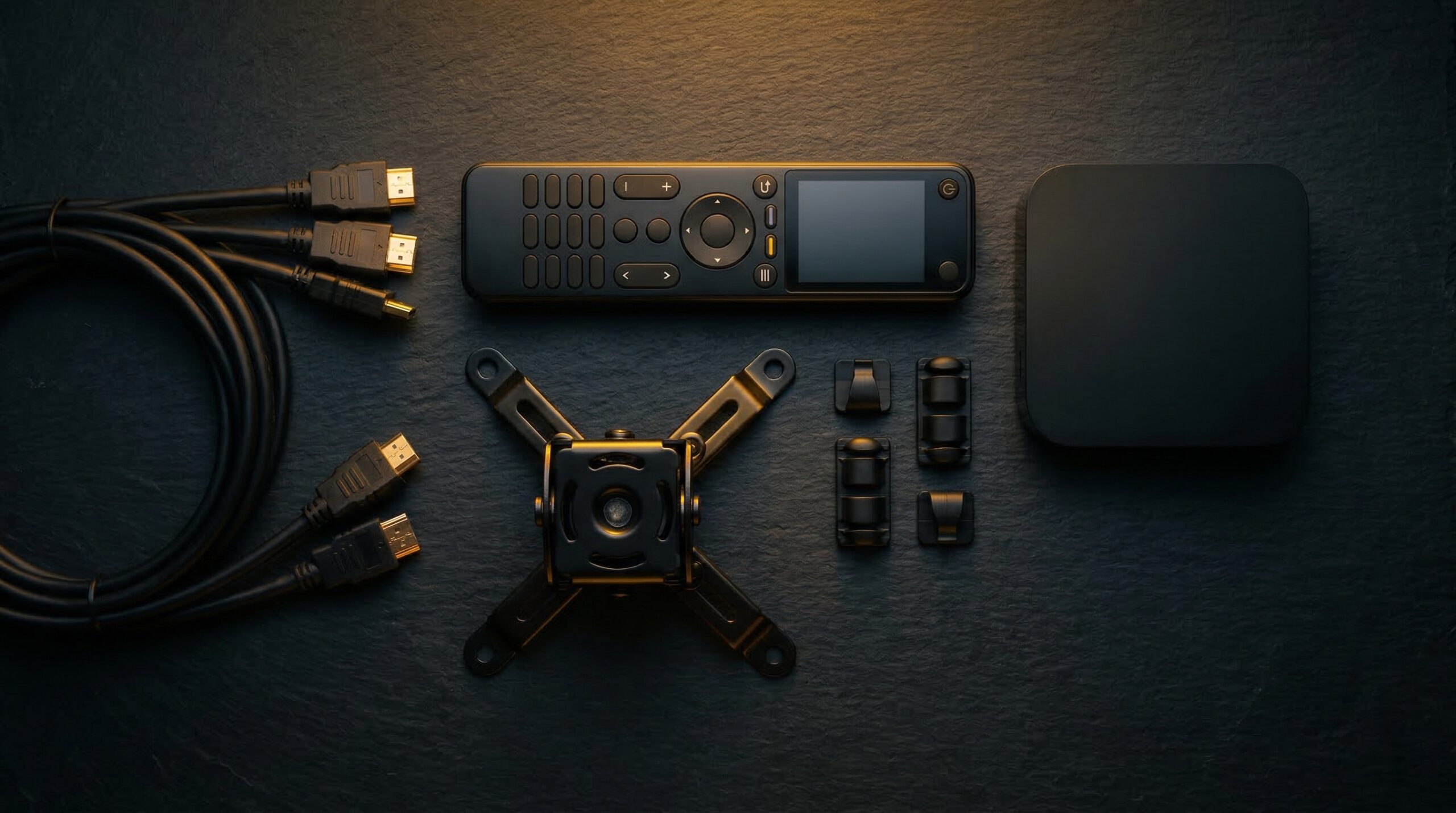
If you want something close to the Savant experience, look first at dealer-installed control platforms such as Control4, RTI, or Josh.ai rather than at basic universal remotes. If you mainly need to run a TV, streamer, AVR, and a few source devices yourself, the Themostcreativeuniversalremotecontrol X1S Remote Hub is the more practical lower-cost path, but compatibility and button layout matter a lot.
The key question is not which remote looks most like Savant. It is whether you are replacing a handheld remote or replacing a broader smart-home control system that may also run lighting, shades, climate, and scenes.
What Savant Remote Alternatives Actually Is
“Savant remote alternatives” sounds simple, but in practice it covers two very different categories of products.
The first category is a true Savant-style control platform. That means a professionally integrated system with a handheld remote as only one part of the package. In that kind of setup, the remote may control your TV and surround sound, but it may also trigger scenes, lighting, motorized shades, climate presets, and other home systems. Savant itself positions its remote as part of a larger control ecosystem, not just as a standalone clicker. That is why buyers who want a like-for-like replacement usually end up comparing brands such as Control4, RTI, and sometimes Josh.ai rather than shopping only in the universal remote aisle.
The second category is the DIY universal remote replacement. This is the better fit when your real goal is simpler: you want one controller for a TV, AVR, media streamer, disc player, or cable box without dealer programming and service calls. A hub-based remote can often clean up a cluttered coffee table and improve day-to-day use, but it is not automatically a substitute for a custom-control platform.
That distinction matters because workflow and support are more important here than a flashy screen or premium materials. A good alternative needs to handle power states, input switching, and hidden gear reliably. If your equipment sits inside a cabinet or rack, line-of-sight IR control may not be enough. Hub-based systems can help, but real-world reliability depends on device support, room conditions, and wireless behavior. The FCC RF safety and broader FCC guidance on wireless devices are useful reminders that radio-based products do not all behave the same way in busy home environments.
For theater-first buyers, button layout also matters more than many product pages suggest. If you watch a lot of recorded TV, physical media, or sports replays, dedicated transport controls can be more important than touchscreen polish. If your room is part of a larger automated home, dealer quality may matter even more than brand choice. CEDIA-certified installers often stress that system design, programming, and support shape the ownership experience as much as the hardware itself.
In short, the formula is simple: whole-home integration need plus dealer support equals a Savant-style platform alternative; room-by-room AV convenience plus direct ownership equals a DIY universal remote alternative.
Who Savant Remote Alternatives Fits Best
Savant alternatives fit best for buyers who already know what problem they are trying to solve. If your current Savant handheld is really the front end for a larger smart-home system, you will likely be happiest staying in the custom-install category. That means looking at Control4, RTI, or Josh.ai if you want integrated AV, lighting, shades, scenes, and ongoing dealer support. These systems make the most sense in larger homes, dedicated theaters, or media rooms where reliability and automation depth matter more than upfront savings.
They also fit buyers who want one polished experience across multiple rooms. If you routinely switch between family-room TV watching, whole-home music, nighttime lighting scenes, and climate presets, a dealer-managed platform is often the closest match. This is especially true if you want a single interface that can scale as your system grows.
DIY options fit a different buyer. If your needs are centered on one main room and your device list is mostly TV, AVR, streamer, and perhaps a game console or disc player, a universal remote with a hub can be the better value. The X1S is the strongest fit in this group because it is explicitly aimed at consolidating multiple entertainment devices without forcing you into a full custom-install ecosystem. One owner described exactly that kind of use case: “I use the X1S for our main sound and video system, and the original X1 with an auxiliary TV.” — verified buyer, 5 stars.
This category also fits people who want to avoid calling an installer every time they swap a streamer, replace a receiver, or tweak a routine. For many households, that freedom is the biggest advantage over a Savant-like setup. You trade some depth and polish for lower ongoing friction and lower total cost.
It can also be the right move for second homes, apartments, condos, and simpler family rooms where a full custom-control platform would be overkill. If all you really want is fewer remotes and cleaner activity control, a DIY route is often enough.
Finally, buyers who care deeply about theater workflow should pay close attention to how they actually watch content. If you are heavy on streaming apps and simple input changes, many alternatives will feel fine. If you rely on DVR functions, channel surfing, or precise transport control, your shortlist should get narrower fast. Standards bodies such as SMPTE motion imaging standards matter on the content side, but in daily use it is still the remote workflow that determines whether your system feels effortless or annoying.
Who Should Skip Savant Remote Alternatives
You should skip the DIY side of this category if your current Savant setup controls more than entertainment gear. If your remote triggers lighting scenes, lowers shades, adjusts climate, or coordinates multiple rooms, a cheap universal remote is not a like-for-like replacement. In that case, replacing the handheld without replacing the wider automation layer can leave you with a broken experience.
You should also skip a hub-based DIY remote if you have a complicated stack of older or quirky equipment and do not want to troubleshoot. Compatibility claims can look broad on paper, but owner results vary by exact model, firmware, and source device. A setup with legacy cable boxes, niche OTA recorders, or unusual source components can expose those limitations quickly.
Transport-control-heavy users should be extra careful. One critical buyer review on the X1S points to a very specific concern: “However, if you want to use the Sofabaton X1S to control your Over The Air (OTA) recorder, note that the hand-held lacks a record button – as well as other transport controls.” — verified buyer, 1 star. That does not mean the remote is unusable for everyone, but it does mean some viewing habits are a poor fit.
Buyers who dislike apps may also want to pause before choosing a DIY remote. Many hub-based systems depend heavily on phone-based setup and customization. If you want every change handled for you, a dealer platform may actually be less frustrating despite the higher cost.
On the premium side, you may want to skip dealer-installed alternatives if your goal is pure savings or independence. Platforms such as Control4 and RTI are more comparable to Savant, but they also tend to come with the same broad tradeoff: installer involvement, programming costs, and a support relationship that depends heavily on local dealer quality. If you hate the idea of paying for changes down the road, moving from one dealer-centric ecosystem to another may not solve your real problem.
Finally, renters and frequent movers may not get full value from a deep custom-control system. If you are unlikely to stay in the home long enough to benefit from integrated programming and expansion, simpler room-level control often makes more sense.
Price and Value
Price varies dramatically depending on which class of Savant alternative you mean.
On the DIY side, the clearest price point in the products here is the Themostcreativeuniversalremotecontrol X1S Remote Hub at about $175 to $200. That is real-world approachable for buyers who want to combine several entertainment devices into one control flow. At that price, the value case is straightforward: if it replaces a pile of remotes and saves daily friction in one or two rooms, it can be money well spent.
Its value drops, though, if your setup depends on buttons it does not offer, if your gear is not fully supported, or if you expect it to replicate deep custom-home automation. This is where many disappointed buyers misjudge the category. A few hundred dollars buys convenience, not necessarily a full smart-home front end.
Dealer-installed alternatives sit in a very different value bracket. The pricing provided here does not include verified retail figures for Control4 Halo, Josh.ai Remote, or RTI Control System, and that is consistent with how this part of the market often works: hardware cost is only one piece of the bill. Programming, installation, service visits, and future system changes can matter just as much. Enthusiast discussion around Savant, Control4, and similar systems consistently points to total installed cost being far more important than the remote alone.
That means value should be judged by ownership model, not just sticker price. A dealer-managed platform can be excellent value if you want one interface for theater, lighting, shades, and scenes and you have a strong local integrator. It can be poor value if you only needed to run a TV and an AVR.
We would frame the tiers this way:
- Best value for single-room AV: X1S-style hub remote.
- Best value for integrated homes: Control4, RTI, or Josh.ai if you truly need broader automation.
- Poor value mismatch: buying a dealer platform for a simple media setup, or buying a cheap universal remote to replace whole-home automation.
Also budget for the hidden parts of control-system ownership. If you are using RF or hub-based control, placement and wireless conditions can affect reliability. If you are remodeling or adding wall controls, wiring and installation practices should follow code, and that is where references such as the NFPA 70 National Electrical Code become relevant for the broader project even if they are not remote-buying guides.
Common Mistakes When Trying Savant Remote Alternatives
The biggest mistake is failing to define the job. Many shoppers say they want a Savant alternative when what they actually want is one of two things: either a lower-cost universal remote for a media room, or a new custom-control ecosystem for the house. Those are not interchangeable purchases.
The second common mistake is overfocusing on hardware and underfocusing on workflow. A sleek remote body or touchscreen does not guarantee a good experience. For many households, the real test is whether everyday actions work cleanly: turn on the TV and AVR, switch to the right input, launch the source, and expose the buttons you actually use. Owner feedback on the X1S illustrates this well. One buyer praised the broad setup use case with “I use the X1S for our main sound and video system, and the original X1 with an auxiliary TV.” — verified buyer, 5 stars. That is encouraging, but it does not erase the need to check your own devices and habits.
Third, buyers often assume “universal” means universal enough. It rarely does. Before buying, make a list of every device in the chain: display, AVR or soundbar, streamer, cable box, OTA recorder, disc player, and any smart-home gear that matters. Then verify support for the exact models. This is especially important if your room depends on Bluetooth, IP control, hidden cabinet gear, or oddball DVR commands.
Fourth, people underestimate the importance of transport controls. If you use recorded TV, replay live sports, skip commercials, or control niche playback devices, inspect the button map early. The harsh X1S owner warning is a good example: “However, if you want to use the Sofabaton X1S to control your Over The Air (OTA) recorder, note that the hand-held lacks a record button – as well as other transport controls.” — verified buyer, 1 star. For some users, that is a deal-breaker. For others, it may not matter at all.
Fifth, custom-control buyers often compare brand names without evaluating dealer quality. In this category, your local installer can shape the experience as much as the platform itself. Ask who owns the programming, how service calls are billed, what happens if you switch dealers, and how future equipment swaps are handled. A CEDIA-certified home theater installer is often the right kind of pro to ask these questions.
Finally, do not ignore room conditions. Wireless hubs and RF-based control can be affected by placement, cabinet materials, and interference. If you also rely on OTA sources, nearby signal issues can shape your experience in ways buyers do not always anticipate; the FCC antennas and digital TV guidance is a good reference point for that side of the system.
FAQ
Can you replace a Savant remote with a cheaper universal remote?
Sometimes, yes. If your current remote mainly controls a TV, AVR, streamer, and a few source devices, a DIY universal remote can work well. If the Savant system also handles lighting, shades, climate, scenes, or multi-room control, a cheaper universal remote is usually not a true replacement.
What is the closest whole-home alternative to Savant?
Control4 and RTI are the most natural alternatives if you want another professionally installed control ecosystem with broader home integration. Josh.ai can also make sense for buyers who want premium control with a strong voice-oriented angle. The best fit usually depends on your local dealer, your existing smart-home devices, and how much customization you want.
Are DIY remotes a better value than custom-control systems?
Usually, for single-room entertainment control. A hub-based remote can be a smart buy when you want to simplify TV and audio use without taking on a full automation platform. A custom-control system is better value only when you will actually use its deeper integration, scenes, multi-room coordination, and professional support.
Is a hub-based remote better than IR-only control?
Often, especially when your equipment is hidden in a cabinet or rack. A hub can help with non-line-of-sight control and more flexible activity setup. But better on paper does not always mean better in your room, so verify support for your exact devices and think about wireless placement and interference.
How much should you budget for a Savant alternative?
For a DIY universal remote, the X1S sits around $175 to $200 based on the pricing here. For dealer-installed alternatives, the final budget can be much higher because hardware is only part of the total; programming, installation, and future service can meaningfully change the real cost.
Do I need a dealer for the best Savant replacement?
If you want a system that behaves like Savant across AV and home automation, probably yes. Dealer-installed ecosystems are designed around integration and programming. If you only need room-level AV control and want to own setup changes yourself, a DIY option is often the better path.
What should I check before buying any Savant alternative?
Check device compatibility, transport-button layout, hidden-equipment control, app or dealer dependency, and long-term support. Also think through whether your real need is whole-home automation or simply fewer remotes in one room. That one decision will narrow the field faster than any feature list.
Looking for these on Amazon? Browse savant remote alternatives on Amazon →
Bottom Line
The best Savant alternative depends on whether you are replacing a handheld controller or replacing an integrated control ecosystem. For whole-home use, Control4, RTI, and Josh.ai are the right kind of alternatives to investigate; for simpler AV setups, the X1S is the more sensible value play.
Buy for workflow, compatibility, and support model first. In this category, those factors matter more than looks, screen size, or branding.
Affiliate disclosure: Some links on this page are affiliate links. Purchases through them support our work.