
TL;DR
The best alternative to Eversolo depends on what role the box needs to play in your system. If you already own a good DAC, a transport-first option like Volumio Rivo Plus makes more sense; if you want to power passive speakers directly, WiiMHome Amp Pro is the more practical one-box answer.
In most systems, app quality, output options, local library handling, and update reliability matter more than chasing small claims about sound character. Buy for system fit first, then features, then price.
What Eversolo Alternatives Actually Is
When shoppers look for Eversolo alternatives, they are usually not looking for one single kind of product. They are really choosing between three different categories: a pure streamer, a streamer with a built-in DAC, or a streaming amplifier. That distinction matters because these products solve different problems, even when they all let you play music from streaming services or a local library.
A pure streamer is the simplest version. It pulls music from your network or online services and sends a digital signal to an external DAC or receiver. This is often the best path if you already own a DAC you like and do not want to pay twice for conversion hardware. A streamer/DAC combo adds analog outputs so it can plug directly into an integrated amp, powered speakers, or sometimes headphones. That is the closest category to what many buyers think of when they picture an Eversolo-style device. A streaming amplifier goes one step further by adding speaker power, which can shrink an entire hi-fi stack down to one chassis.
That is why the right replacement is not always the one that looks most like an Eversolo on paper. For some buyers, the better move is a transport-focused unit with a polished app and strong local playback support. For others, a compact streaming amp is the cleaner answer because it removes the need for a separate amp entirely. Research and owner discussions also suggest that many modern digital front ends are competent enough that software, outputs, and ecosystem support shape long-term satisfaction more than small sonic differences.
That is especially true if you use a mix of streaming services, network-attached storage, AirPlay, Chromecast, Bluetooth, or Roon. The daily experience often comes down to search speed, queue management, firmware stability, and how well the app handles a big local library. If wireless playback is part of your setup, placement and interference can affect performance too, which is one reason basic home networking guidance from the FCC antennas and digital TV resource is still useful for understanding signal behavior in the home.
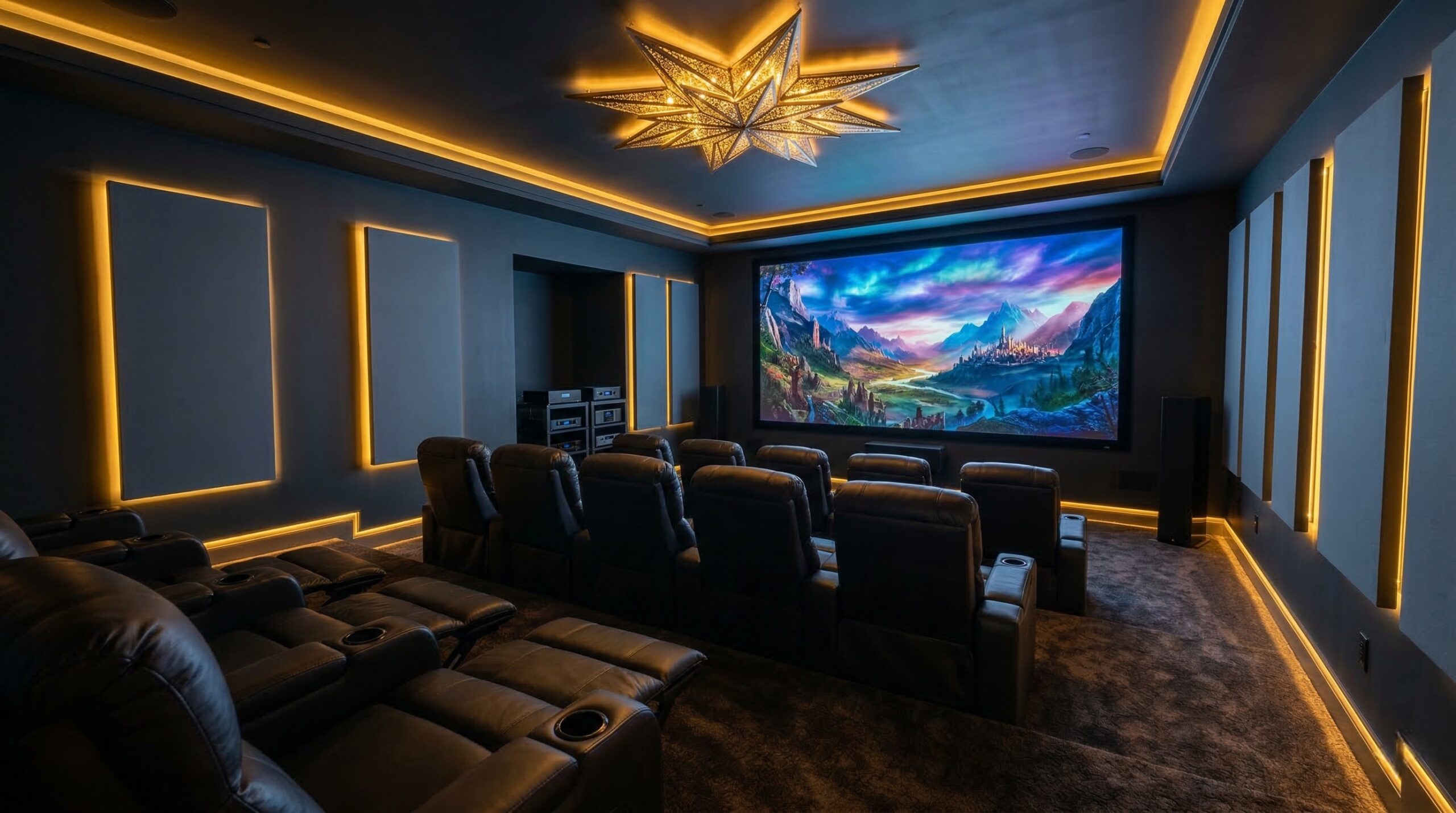
For home theater buyers, there is another layer: system matching. If your streamer will share space with a TV, AVR, active speakers, or a two-channel amp in a media room, check for the outputs and control options you actually need. Balanced XLR can help with longer cable runs, variable output matters if you may feed a power amp directly, and any room correction or EQ tools can matter more in-room than tiny differences in DAC marketing. Even though SMPTE motion imaging standards focus on broader media standards rather than consumer streamers specifically, they reinforce a useful principle here: format compatibility and signal-chain integrity matter just as much as the device itself.
Who Eversolo Alternatives Fits Best
Eversolo alternatives fit best for buyers who already know what they want to fix or improve in their current setup. If your main frustration is app behavior, local library browsing, or ecosystem lock-in, there is a good chance another platform will suit you better than simply buying the closest feature clone. This category is also a good fit for listeners who want to separate functions more clearly: streamer here, DAC there, amp elsewhere.
One obvious group is the buyer with an existing hi-fi rig and a DAC they already trust. In that case, a transport-style alternative makes sense because you are paying for software, connectivity, and digital output quality rather than duplicating analog stages. Another good fit is the buyer building a simpler living-room music system who wants fewer boxes. That person may be better off with a streaming amplifier instead of a streamer/DAC.
These alternatives also work well for people whose listening habits center on local files, attached storage, or network libraries. Eversolo-style products are often considered because of their library features, but not every alternative handles metadata, indexing, and large collections the same way. If your music sits on a NAS or USB drive, your shortlist should lean toward platforms known for stable library management instead of just headline-resolution support.
Buyers replacing an aging Sonos Port-style setup, adding streaming to passive speakers, or trying to simplify a garage, office, or media room are also strong candidates. As one owner put it about the WiiMHome Amp Pro, “This little amplifier works great. I bought it to replace my Sonos port.” — verified buyer, 4 stars. That quote captures the real appeal of many Eversolo alternatives: not a dramatic new sound signature, but a better fit for a specific room and use case.
Finally, these products make sense for buyers who care about future flexibility. If you may add a separate DAC later, move from powered speakers to passive speakers, or integrate a streamer into a wider theater rack, choosing the right category now can save money and frustration later. A CEDIA-certified home theater installer would usually tell you to map signal flow first, then buy the hardware that fills the actual gap.
Who Should Skip Eversolo Alternatives
You should probably skip this category if you are hoping for a guaranteed big sound upgrade just by swapping brands. Evidence indicates that once you are looking at competent modern digital gear, differences in usability, outputs, room integration, and library handling often matter more than assumptions about one device sounding warmer or more musical than another.
It is also smart to pass if you do not yet know whether you need a streamer, a streamer/DAC, or a streaming amp. That confusion leads to some of the worst-value buys in this segment. If you already own a solid integrated amp and DAC, a streaming amp may waste money. If you need to drive passive speakers directly, a transport-only box will leave you shopping for more hardware immediately.
Buyers who want a friction-free setup with minimal tinkering should be careful around modular or tweaker-friendly alternatives. Separate boxes can be rewarding, but they also add cables, app handoffs, input switching, and more chances for compatibility issues. If you want everything to behave like a simple appliance, a more complex alternative may not feel like an upgrade at all.
Some shoppers should also skip if they rely heavily on one particular ecosystem and have not confirmed compatibility. If your household runs on Roon, AirPlay, Chromecast, Bluetooth, or a very specific local playback workflow, do not assume every alternative handles those the same way. Multi-user households should be extra cautious, because a system that pleases the main hobbyist can still frustrate everyone else.
And if your main goal is to compare boutique DAC flavor rather than solve a system problem, keep expectations realistic. One side-by-side comment on a separate-DAC path summed up how subjective that lane can get: “If actually listen to the Laiv and A8 side by side. They don’t sound the same.” — Side-by-side comparison view on r/forum.zidoo.tv. That does not mean one path is wrong; it means this category can drift into expensive preference chasing if you have not nailed down your practical needs first.
Price and Value
Value in this category is less about finding the cheapest Eversolo substitute and more about avoiding overlap. The biggest money mistake is paying for DAC and amplifier stages you do not need. The second biggest is buying too little box and then having to add more hardware right away.
From the options here, the clearest live price band is the WiiMHome Amp Pro Streaming Amplifier at about $350 to $450. That is a strong value if you need both streaming and amplification for passive speakers. In one move, it can replace a basic streamer and a compact integrated amp, which is why it makes so much sense in secondary rooms, offices, garages, and simple TV-adjacent systems.
Volumio Rivo Plus is better judged as a value play for the buyer who already owns downstream gear they want to keep. If you have a DAC and amp you like, paying for a clean transport with software and connectivity focus can be smarter than replacing your whole front end. The same logic applies to separate-DAC routes like the LAiV Harmony uDAC path, though the value there depends heavily on what streamer, amp, and speakers you already have.
In plain terms, the categories usually stack up like this:
- Pure streamer: best value if your DAC and amp are already sorted.
- Streamer/DAC combo: best value if you need a one-box source into an existing amp or powered speakers.
- Streaming amplifier: best value if you still need speaker power and want the fewest components.
Also account for hidden costs. A cheaper transport may need an external DAC, extra interconnects, or a better rack layout. A more expensive one-box solution may actually save money if it replaces multiple devices and reduces setup complexity. If the streamer will live in a built-in cabinet, equipment closet, or shared media wall, basic electrical and placement planning matters too; broader household installation guidance like NFPA 70 National Electrical Code can help frame safe power and wiring practices even for low-profile A/V setups.
The best value question to ask is simple: am I paying for the exact functions my system lacks, or for features I will bypass on day one?
Common Mistakes When Trying Eversolo Alternatives
The most common mistake is choosing by brand reputation before deciding product type. Buyers often compare a transport, a streamer/DAC, and a streaming amp as if they are direct substitutes. They are not. Start with the role the unit must play in your signal chain, then compare within that group.
The second mistake is underestimating app quality. A streamer is something you interact with constantly, so a polished control app can matter more than prettier hardware. Queue handling, source switching, local-library browsing, and firmware reliability shape daily ownership more than spec-sheet bragging rights. That is why viewer feedback around WiiM regularly highlights updates and new features as part of the value story.
Another frequent error is assuming all local playback implementations are basically the same. They are not. If you use NAS storage, USB drives, or a downloaded music collection, metadata handling and indexing can make or break the experience. Large local libraries especially deserve a closer look before you buy.
People also get tripped up by outputs. It is surprisingly easy to buy a unit and then realize it lacks balanced XLR, the right digital output, useful variable volume control, or the TV connection you expected. If the streamer will feed active speakers or a power amp directly, check whether fixed and variable modes are available and how that volume control is intended to be used.
A related mistake is buying more complexity than your room needs. One buyer reviewing the WiiMHome Amp Pro explained the kind of practical thinking that often leads to a better result: “I consider myself to be an audiophile, well at least a reasonable one. Yes I have some expensive equipment but when it came to outfitting my garage, I needed to take a different approach.” — verified buyer, 5 stars. That is a useful reminder that the smartest choice for a main listening room is not always the smartest choice for a garage, office, or secondary TV area.
Finally, do not ignore networking basics. Wireless placement, interference, and rack location can affect reliability with any streamer. If your system depends on Wi‑Fi or Bluetooth, stable placement and sensible distances matter, and the FCC RF safety page is a good general reference for understanding wireless devices in the home. For larger homes or heavier local streaming use, Ethernet is often the safer call.
FAQ
Are Eversolo alternatives better than Eversolo?
Only if they match your needs more closely. A better app, easier local-library handling, stronger update support, built-in amplification, or the right outputs can make an alternative better for you even if it is not a universal upgrade in every category.
Should I buy a pure streamer, a streamer with DAC, or a streaming amp?
Buy a pure streamer if you already own a DAC you like. Choose a streamer/DAC if you want a single source component feeding an amp or active speakers. Pick a streaming amp if you need to drive passive speakers directly and want the fewest boxes.
Does app quality really matter more than sound specs?
For many buyers, yes. Research suggests that once a device reaches a competent baseline, the long-term ownership experience is shaped more by software stability, search, playlists, queue management, library browsing, and update cadence than by small claimed sound differences.
Do balanced XLR outputs matter on a streamer?
They matter most when your amp or active speakers support XLR, when cable runs are longer, or when you want more setup flexibility in a larger rack or media room. In a short-run desktop or compact two-channel setup, they may be less important than app quality, local playback, or room EQ.
Is a streaming amplifier a true replacement if I was considering Eversolo?
Yes, if your real goal is a simpler one-box system for passive speakers. No, if you already have amplification you like and only need a source component. This is the biggest fork in the road for most buyers shopping Eversolo alternatives.
What matters most for local music libraries?
Look at NAS support, USB storage handling, metadata indexing, artwork, search speed, and how the app behaves with a large collection. If local playback is central to your listening, those traits deserve more weight than impressive maximum-resolution numbers.
Will a more expensive alternative sound warmer or more musical?
Not necessarily. Evidence indicates that system matching, speaker setup, room behavior, and downstream amplification usually shape what you hear more than vague assumptions about streamer character. If better sound is the goal, room setup and calibration can matter as much as the source component.
Should I worry about setup and placement?
Yes. A streamer still depends on stable networking, clean power, and sensible placement. If the unit will sit in cabinetry or a shared theater rack, good wiring discipline and safe electrical planning matter, and references like ICC International Code Council guidance and the NFPA 70 National Electrical Code are useful starting points for broader installation planning.
Looking for these on Amazon? Browse eversolo alternatives on Amazon →
Bottom Line
The smartest Eversolo alternative is the one that fits the job your system actually needs done. For existing DAC-based systems, a transport-first option like Volumio Rivo Plus is the logical direction; for passive-speaker setups that need maximum simplicity, WiiMHome Amp Pro stands out on practical value.
Do not shop this category as a search for a universally better box. Shop it as a search for the right mix of app quality, outputs, library support, and system fit.
Affiliate disclosure: Some links on this page are affiliate links. Purchases through them support our work.